
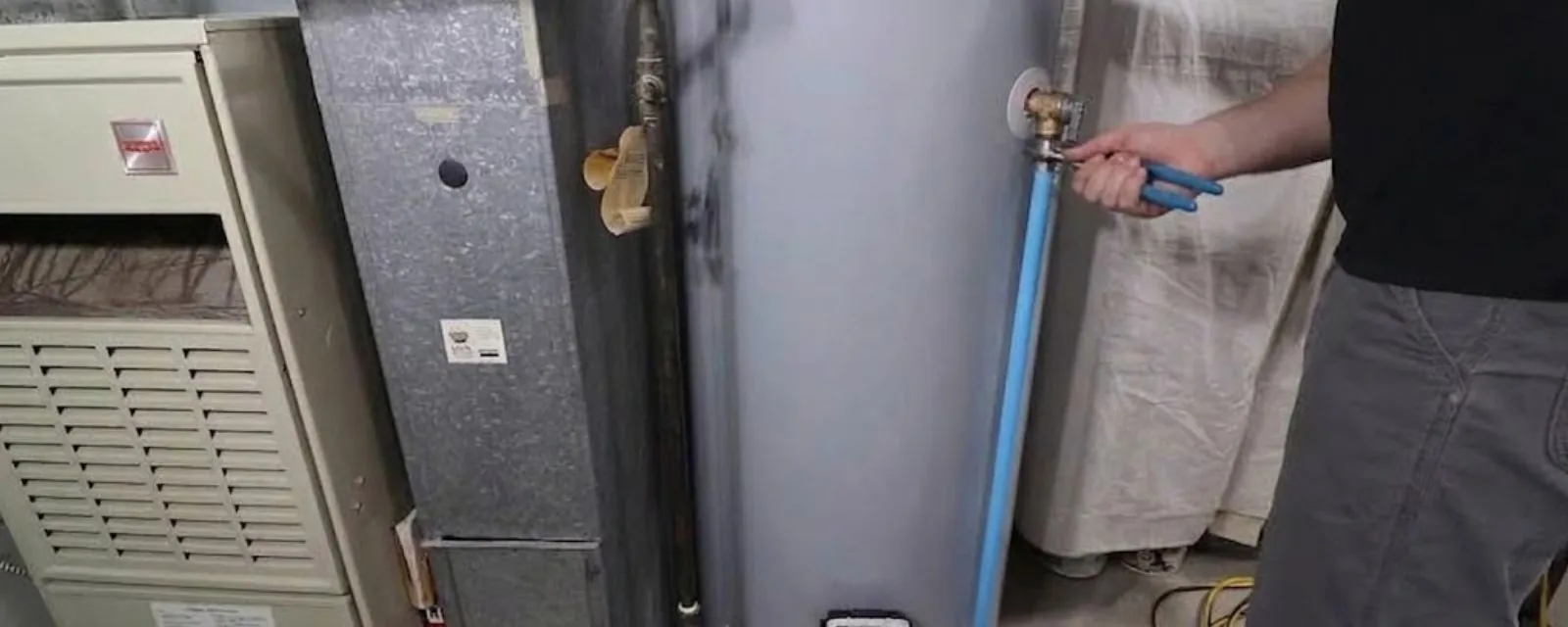
A new water heater is a plumbing job with a gas or electrical side, a venting side, and a permit side. Georgetown 24/7 Plumbing handles water heater installation in Georgetown, KY, for new homes, remodels, and planned upgrades across Scott County. Water heater installation means setting the unit, connecting water and fuel or power, adding the safety devices, and testing it against the Kentucky plumbing code.
This page is about planning. If your tank has already failed and is leaking, go to our replacement page instead, and know that 24/7 dispatch exists for a failed system. For a first-time install or a layout change, a little planning up front saves rework later, and our broader plumbing installation service covers the lines that feed the heater.
Choosing between tank, tankless, and heat pump
Each type asks something different of your house. This table shows what to check before you pick one.
| Type | What it needs | Watch for |
|---|---|---|
| Gas tank | Gas line, vent to outdoors, water supply | Vent slope and clearances. |
| Electric tank | Dedicated circuit and breaker, water supply | Panel capacity. |
| Tankless gas | Larger gas supply, dedicated venting, water supply | Gas line size and scale in hard water. |
| Tankless electric | Heavy electrical service, water supply | Panel and wiring limits. |
| Heat pump tank | Circuit, condensate drain, open air space | Room temperature and size. |
For heat pump units, the U.S. Department of Energy asks for a room that holds between 40 and 90 degrees Fahrenheit and has roughly 1,000 cubic feet of open air. Tankless planning is covered on our tankless water heater page.
What a code-compliant install includes
The Kentucky Department of Housing, Buildings and Construction publishes a water heater packet for homeowners. These are the items it lists, and a licensed plumber should deliver each one.
- A main shutoff valve within 3 feet of the heater.
- A temperature and pressure relief valve within 3 inches of the top of the tank.
- A relief discharge pipe ending within 2 inches of a floor drain, or within 4 inches of the ground.
- An expansion tank on the cold line when a single check valve sits at the meter.
- A corrosion-resistant drain pan when the heater is in an attic, above a drop ceiling, or on a wood floor in an occupied space.
- A dielectric fitting where ferrous pipe meets copper.
- A gas vent that rises 2 feet above the roof, sits 6 feet from doors and windows, and slopes upward at least a quarter inch per foot.
- No fuel-fired heater in a bathroom or bedroom unless it is direct vent.
Water Heater Installation: talk to a person now
Describe the problem and get a clear price before work starts.
Gas-fired and electric installs side by side
A gas install is mostly about air and exhaust. The burner needs combustion air, the vent has to carry exhaust out of the house, and the gas connection must be leak-tested before the pilot or igniter goes live. Columbia Gas of Kentucky holds the natural gas franchise with the City of Georgetown, so service questions about the meter and the supply line go to that utility.
An electric install is mostly about the circuit. The heater needs its own breaker sized for the unit, correct wire gauge, and a proper disconnect. A panel with no spare room may need work before any heater goes in. Either way, the water side is the same: shutoff, unions, relief valve, and pan where the code calls for one.
If you smell gas near a new or old heater
Get out of the house and stay out. Standing in the yard, dial Columbia Gas of Kentucky's emergency number or 911. Do not flip switches, strike a match, or go back inside to check. Our plumbers inspect the heater once the gas utility says the building is safe.
The safety pieces people skip
These parts are small compared with the heater, and they cause large problems when left out.
Expansion tank
Heated water expands. With a check valve at the meter, that pressure has nowhere to go, so the tank absorbs it and spares the relief valve.
Relief valve discharge
The pipe has to run to a safe end point. A valve that discharges onto a finished floor or into a cap defeats its purpose.
Drain pan
In an attic or above a ceiling, a pan with a drain limits the damage when a tank eventually fails.
Dielectric fitting
It separates dissimilar metals, which slows the corrosion at the tank connections.
Planning questions to settle before install day
Start with where the heater will live. Distance from the existing hot water lines, the path for a vent, a nearby floor drain for the relief pipe, and floor material all affect the plan. A heater above living space or on a wood floor will need a pan under it, so the room for that matters too.
Next, think about how the household uses hot water. A family with several showers in the morning needs a different size from a couple in a small house. Ask us about first-hour output, not only tank size, and about recovery after heavy use.
Finally, think about what else is changing. Remodels often move kitchens and baths, and a heater is easiest to relocate while walls are open. A planned install also lets us pair the work with the permit inspection schedule instead of squeezing it in.
How an install day runs
A planned install goes in a set order. We walk through it with you on the visit.
Walk-through and plan
We confirm the location, fuel, venting path, and permit route before anything is cut.
Drain and remove
The old unit is shut off, drained, and disconnected, and the area is protected.
Set and connect
The new heater goes on its pan, with water lines, fuel or power, vent, and safety devices connected.
Test and inspect
We purge air, check for leaks, check combustion and vent draw on gas units, and set the temperature. The state inspector handles the permit inspections.
The permit, and why your installer should own it
A plumbing permit is part of every new heater job in Kentucky, because 815 KAR 20:050 lists water heaters as permit work. Homeowners may do their own, but only on the place they live, with inspections before the work is covered up. Rentals are excluded, and hiring unlicensed help can lead to prosecution under KRS 318.
When a licensed plumber sets the heater, the permit rests with the master plumber. Ask to see the master plumber's licence and the permit, and the Kentucky Division of Plumbing can confirm both. In Scott County, the state plumbing inspector keeps office hours at the Scott County Health Department on East Washington Street.
Homeowners in the Woodford County town of Midway can book an installation through the same 24/7 line.
What shapes the cost of a new water heater install
Install pricing follows the house as much as the heater. These factors explain the spread between one job and the next.
Homeowners insurance typically covers sudden and accidental damage rather than wear, maintenance, or planned upgrades. A new heater you choose to install is generally not an insured event, so ask your insurer if you are unsure.
Want your real number? Call (855) 575-2890.
Water Heater Installation questions answered
It includes a shutoff within 3 feet, a relief valve with a properly piped discharge, an expansion tank where required, a drain pan where required, a dielectric fitting where metals meet, correct venting, and a state permit with inspections.
The state packet calls for one on the cold line when a single check valve sits at the meter, because that valve closes the system. We check your meter setup and pressure before deciding.
Kentucky lets an owner-occupant homeowner pull a permit for their own home, with a riser diagram, inspections, and a signed affidavit. Gas and electrical connections carry real risk, and we recommend a licensed master plumber for permit work.
Not in a bathroom or bedroom unless it is direct vent. The vent must also meet height, distance, and slope rules. We check the room and vent path before we quote.
Step outside and phone the gas utility's emergency number or 911. Wait for them to clear the house before anyone works on the heater.
Yes, from newer areas such as Falls Creek to older homes near downtown Georgetown. Older homes may have pipe materials or layouts that need extra work at the connections, which we check on the visit.
Yes. See the service area page for the towns we cover, including Midway.
Where the local facts come from
According to these primary sources, which this page relies on for local facts, permit rules and published guidelines: